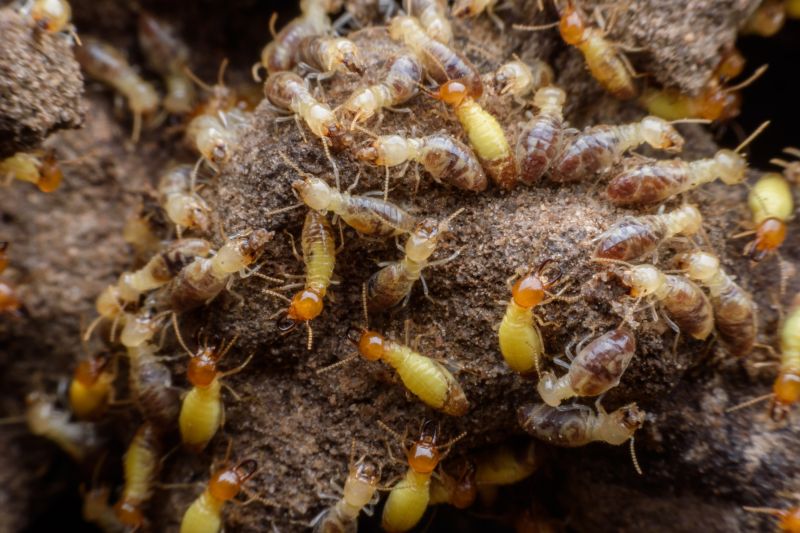
Termites Extermination in Frisco, TX
Termites extermination services focus on identifying and eliminating termite infestations to protect residential properties. These services typically address a range of projects, including treating active colonies within walls, foundations, or wood structures, as well as preventative measures to reduce future risks. Homeowners often want to understand the signs of termite activity, such as wood damage or mud tubes, and inquire about the most effective treatment options to safeguard their homes against these pests.
Before requesting termite extermination, property owners usually seek information about the scope of the treatment, the methods used, and any necessary preparations to ensure the process is effective. It’s important to consider the extent of the infestation, the types of treatment available-such as liquid barriers or bait systems-and how these solutions will impact the property. Clarifying these details helps homeowners make informed decisions about protecting their investment from termite damage.
Many property owners in Frisco, TX look into Termites Extermination for repairs, replacements, upgrades, and appearance-related improvements.
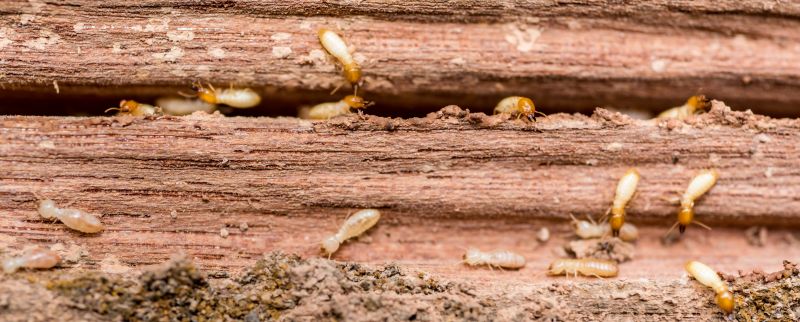
Identifying Termite Damage
Early signs of termite activity can include hollowed wood and discarded wings around the property.
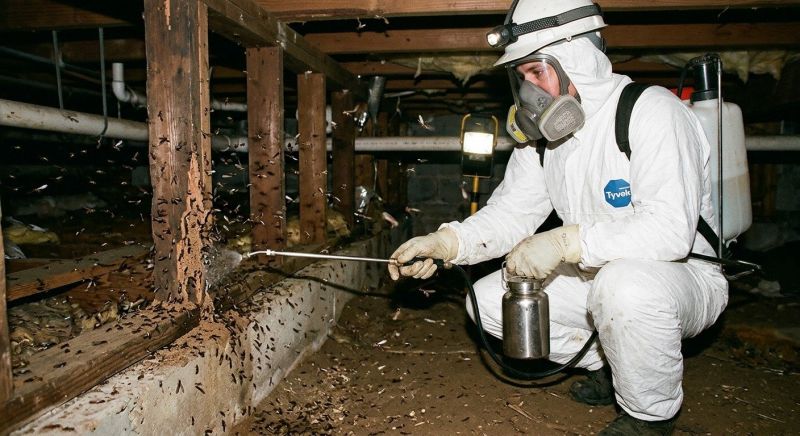
Preventive Treatments
Applying targeted barriers helps protect homes in frisco, tx, from future termite infestations.
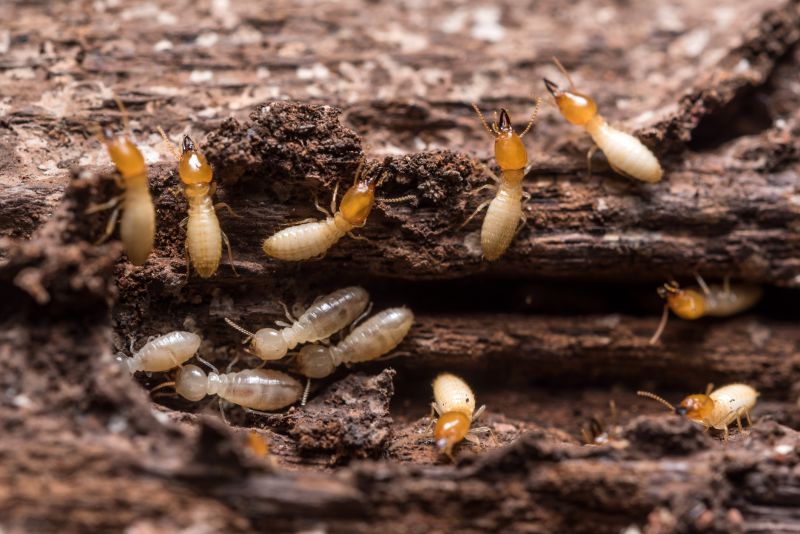
Effective Extermination Methods
Comprehensive treatments eliminate existing colonies and reduce the risk of recurring damage.
Termites Extermination in Frisco, TX

Termites extermination services focus on identifying and eliminating termite infestations to protect residential properties. These services typically address a range of projects, including treating active colonies within walls, foundations, or wood structures, as well as preventative measures to reduce future risks. Homeowners often want to understand the signs of termite activity, such as wood damage or mud tubes, and inquire about the most effective treatment options to safeguard their homes against these pests.
Before requesting termite extermination, property owners usually seek information about the scope of the treatment, the methods used, and any necessary preparations to ensure the process is effective. It’s important to consider the extent of the infestation, the types of treatment available-such as liquid barriers or bait systems-and how these solutions will impact the property. Clarifying these details helps homeowners make informed decisions about protecting their investment from termite damage.
Many property owners in Frisco, TX look into Termites Extermination for repairs, replacements, upgrades, and appearance-related improvements.
Common Termites Extermination Jobs
Termites Inspection - thorough assessments to identify termite activity and damage.
Initial Treatment - application of liquid or bait systems to eliminate existing colonies.
Preventive Treatments - barrier methods to protect structures from future infestations.
Infestation Remediation - targeted removal and control of active termite colonies.
Post-Treatment Monitoring - ongoing inspections to ensure termites do not return.
Structural Protection - treatment plans designed to safeguard homes from ongoing damage.

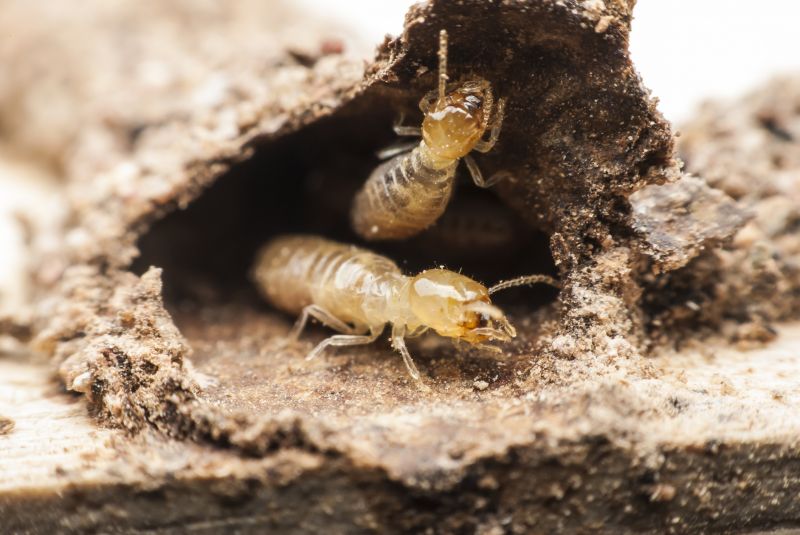

Termites Extermination Questions
How do termites damage a property? Termites feed on wood and cellulose materials, causing structural damage if left untreated.
What are common signs of a termite infestation? Indicators include mud tubes on walls, damaged wood, and discarded wings near windows or doors.
Are there different types of termites? Yes, the most common are subterranean, drywood, and dampwood termites, each requiring specific treatment methods.
What steps are involved in termite extermination? The process typically includes inspection, treatment application, and prevention measures to protect the property.
Request Termites Extermination in Frisco, TX
Use the quote form on this page to share the basics of your project and request more information for the type of work you need.